uPVC Systems
Your walls take shape around your windows. Choose them wisely.
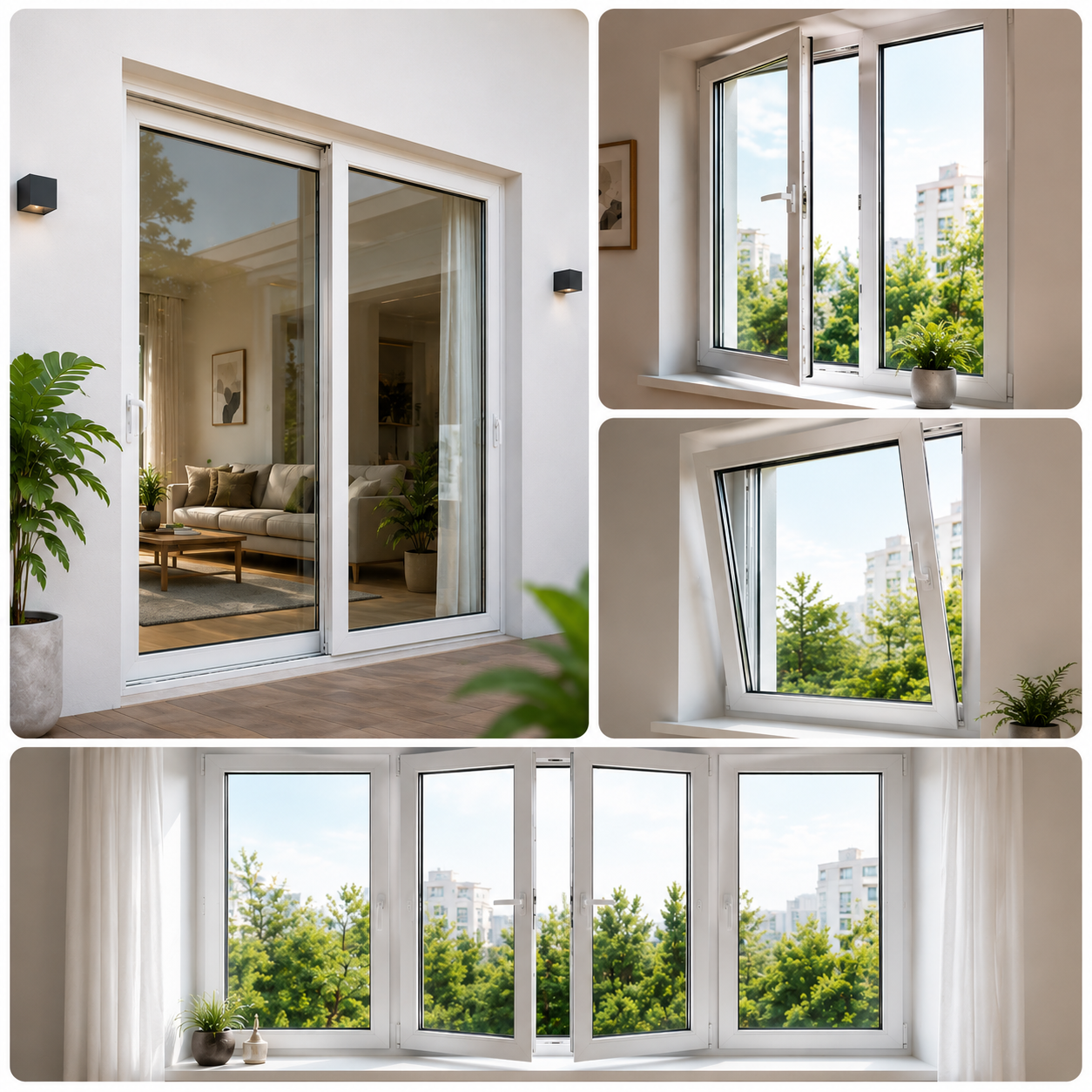
Premium multi-chamber uPVC windows and doors — engineered for Tamil Nadu’s heat, humidity, and coastal salt air. Supplied and installed across Chennai and North Tamil Nadu.
Termite-proof. Weather-sealed. Built to last 30 years.
Overview
Why our upvc windows stand apart
uPVC is the modern standard for windows and doors in India — rigid, UV-stabilised, and completely immune to termites, rot, and corrosion. Our multi-chamber profiles create a thermal and acoustic barrier that keeps homes cooler and quieter, while tight EPDM weather seals lock out monsoon rain and dust. Every frame is fabricated and quality-checked in our workshop, then installed by trained fitters.
Choose your configuration
Style
Colour / Finish
Glass
Profile Range
Benefits
Engineered for how you actually live and build.
Termite & rot proof
uPVC does not feed insects or absorb moisture, so it never rots, swells, or gets eaten — unlike wood.
Lower power bills
Multi-chamber profiles and tight seals cut heat gain by up to 40%, easing the load on your AC.
Quieter rooms
Sealed sashes and the right glass dramatically reduce traffic and street noise indoors.
Monsoon-tight
EPDM gaskets and engineered drainage keep wind-driven rain and dust out, year after year.
30-year design life
UV-stabilised profiles resist Tamil Nadu sun without yellowing, warping, or fading.
Low maintenance
No painting or polishing — just a wipe with a damp cloth a couple of times a year.
Technical Specifications
The details that decide quality.
- Profile depth
- 60–70 mm
- Chambers
- 3 / 5 chamber
- Reinforcement
- Galvanised steel
- Glass thickness
- 5–24 mm (SGU/DGU)
- Gasket
- EPDM co-extruded
- Standard
- Conforms to IS 10974
- Hardware
- Multi-point locking
- Warranty
- Manufacturer profile warranty
Gallery
Recent installations.
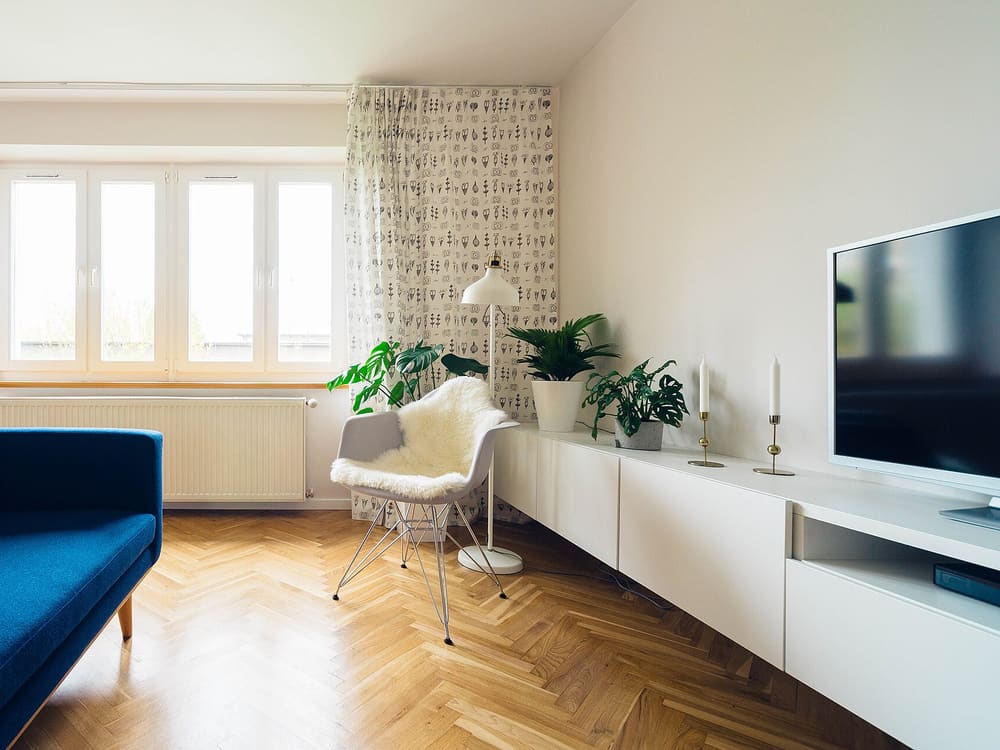
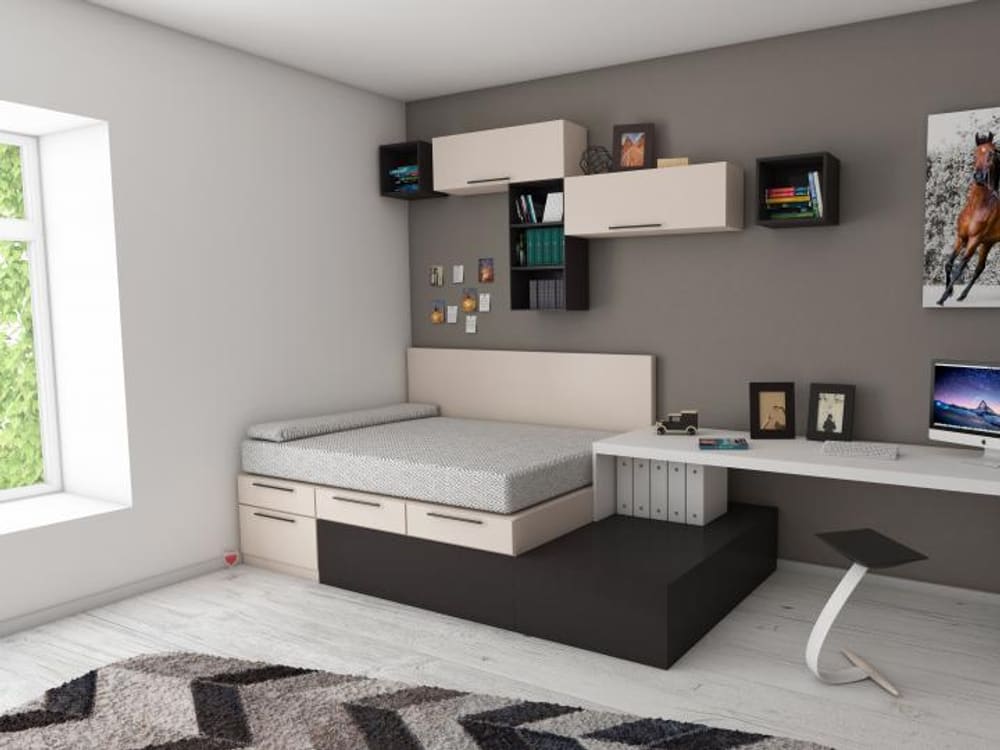
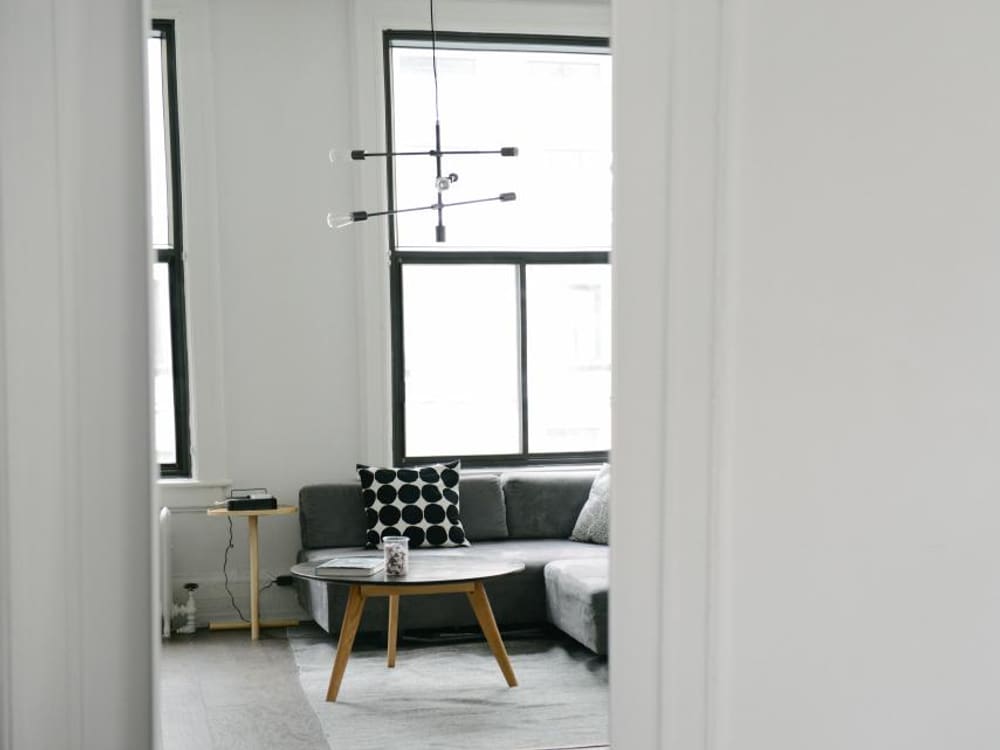
A look at the kind of work we deliver across Chennai and North Tamil Nadu.
Process
How we deliver your upvc windows
- 1
Profile selection
We recommend the chamber count, reinforcement, and glass for your room, climate exposure, and budget.
- 2
Precise measurement
Openings are measured to the millimetre so each frame fits cleanly with proper clearances.
- 3
Workshop fabrication
Profiles are cut, the corners fusion-welded, steel inserted, and hardware fitted — checked at every joint.
- 4
Sealed installation
Frames are levelled, anchored, and sealed; we test every sash and hand over a clean, working window.
FAQ
uPVC Windows — your questions answered
What is uPVC and how is it different from regular PVC?
How long do uPVC windows last in Indian climatic conditions?
Do uPVC windows turn yellow in Chennai’s heat?
How do uPVC windows reduce my electricity bill?
What is the difference between a 3-chamber and 5-chamber uPVC profile?
Can I customise the colour of uPVC windows?
Are uPVC windows suitable for high-rise buildings?
How are uPVC windows maintained?
Can uPVC windows be repaired if damaged?
Are uPVC windows approved by Indian standards (BIS)?
What are the disadvantages of uPVC windows?
uPVC sliding or casement windows — which should I choose?
Goes well with
Complete the build.

Glass & Glazing
Glass Solutions
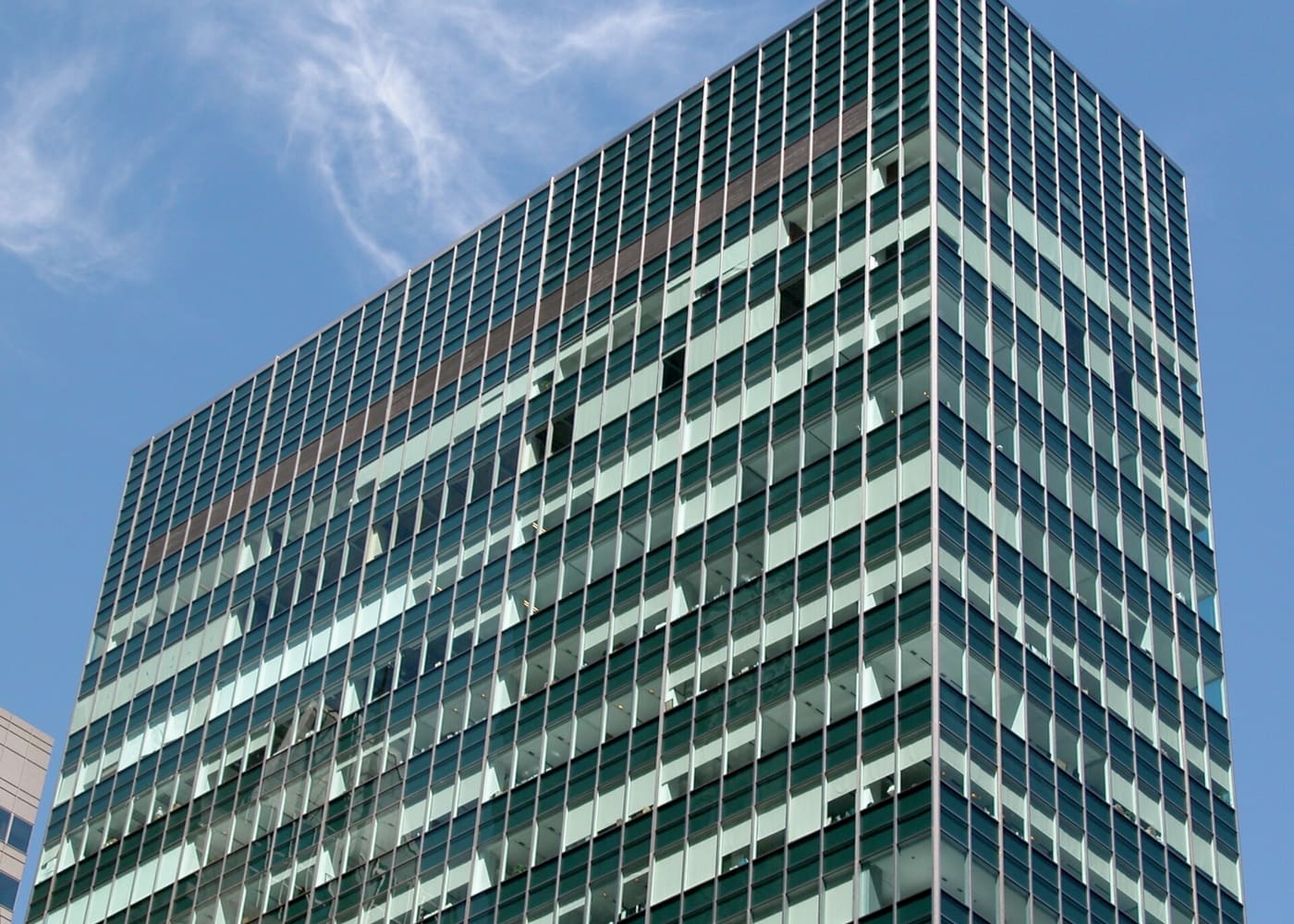
Toughened, frosted and clear glass for windows, partitions, railings and shopfronts.
Architectural Aluminium
Aluminium Windows & Doors
Designer aluminium windows, sliding doors and glass facades — coated in your colour.
Doors
PVC & WPC Doors
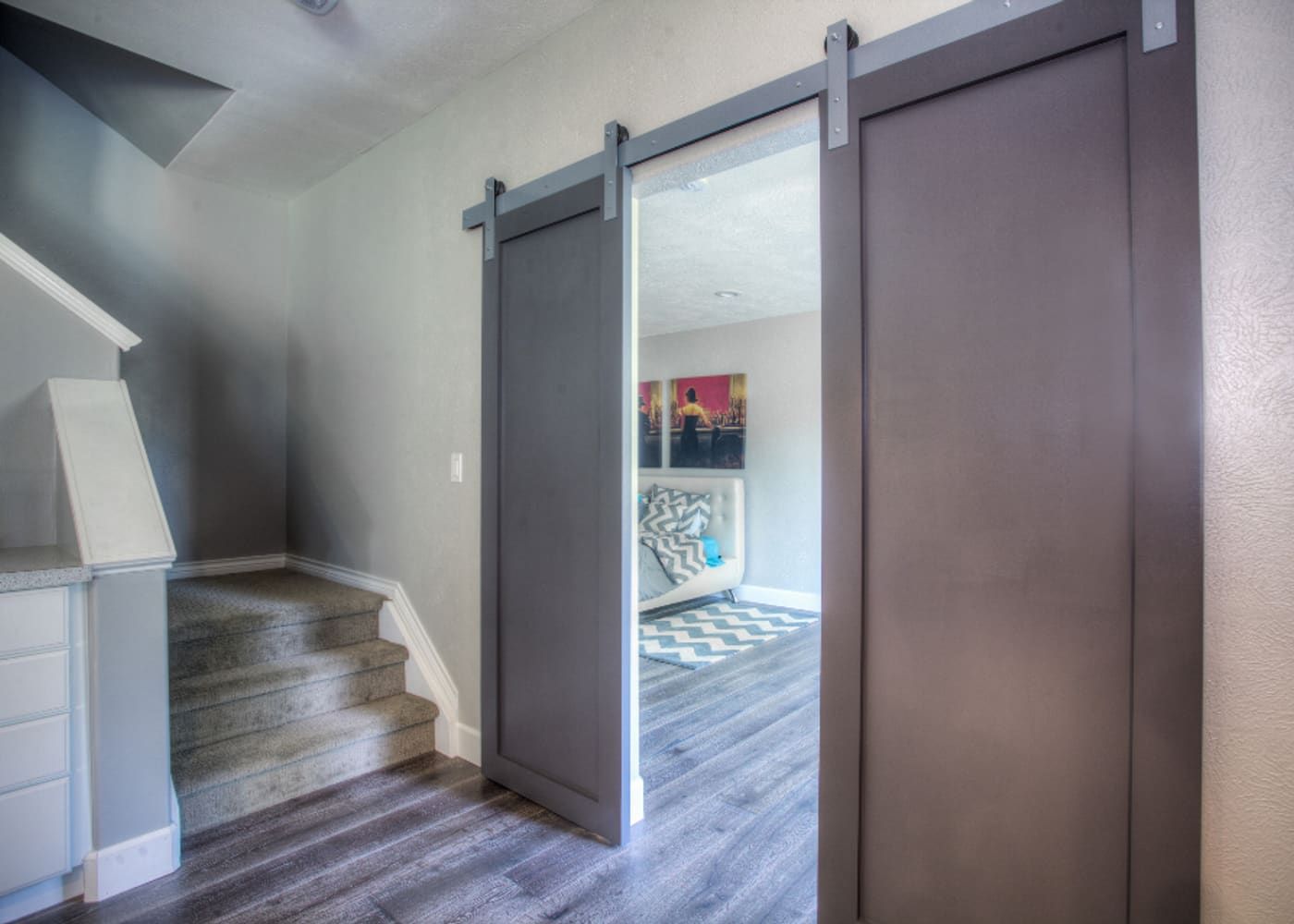
Waterproof PVC and strong wood-look WPC doors. No termites, no warping.
Start Here
Ready to talk about upvc windows?
Send your requirement and we’ll respond with honest advice and an itemised quote within two hours.
- No spam
- No pushy sales calls
- Honest advice — even if we are not the right fit